Key facts
- Kerala gets the south-west monsoon from about June to September and the north-east monsoon from about October to November, so clothes dry slowly for nearly half the year.
- Small ironing shops are common in Kalamassery neighbourhoods and are usually the cheapest way to get shirts pressed; prices vary, so ask before handing over clothes.
- Kerala local bodies collect segregated dry waste door to door through Haritha Karma Sena groups for a user fee.
- Quick-dry fabrics, a folding clothes rack and a fan are the most useful laundry tools for a hostel room in Kochi’s humid climate.
Three ways to get clothes clean
| Option | Good for | Watch out for |
|---|---|---|
| Wash by hand in a bucket | Daily wear, undergarments, towels — cheapest | Needs drying space; tiring after a long shift |
| Shared washing machine (if any) | Bedsheets, jeans, weekly loads | Ask the hostel; agree a timetable with others |
| Pickup laundry service | Busy weeks, heavy bedding | Check price per kg vs per piece, turnaround in rain |
Many residents mix all three: hand-wash small things every evening, and send bedsheets and jeans out once a fortnight. Whether a machine is available varies — ask the hostel before buying a large stock of detergent.
Ironing: use the neighbourhood iron-box man
Most residential pockets in Kalamassery have a small ironing shop or stall — often run by a man with a charcoal or electric iron who presses clothes by the piece. For office shirts and college uniforms this is almost always cheaper and faster than buying your own iron. Ask the warden or an older resident where people go, agree the price per piece before you leave the bundle, and count the pieces in front of him.
Do not run a high-wattage iron in a shared room without asking. Many hostels restrict heaters, irons and induction cookers because of wiring and electricity bills.
Drying clothes in a Kerala monsoon
This is the real problem. Kerala receives two monsoons — the south-west from about June to September and the north-east around October to November — and even on dry days the humidity is high. Damp clothes smell within a day. What works:
- Wash in the morning, not at night. Clothes washed at 7 a.m. and hung on the balcony have the whole day; clothes washed at 11 p.m. sit wet until noon.
- Wring hard and shake out. A firm twist and a snap of the fabric halves drying time.
- Buy a folding steel rack. It fits beside a bed and works under a fan on rainy days.
- Choose quick-dry fabrics for daily wear from June to November. Leave thick jeans for dry weeks.
- Spread out, don’t pile up. Two hangers per shirt, not two shirts per hanger.
- Fix the smell. A spoon of vinegar in the final rinse, or a second rinse, helps clothes that dried too slowly.
- Watch your shoes. Stuff wet shoes with newspaper and keep leather away from walls; mould appears fast.
Our monsoon living tips cover umbrellas, commuting and keeping electronics dry.
The rest of the chores
Room and kitchen
- Sweep daily; Kerala’s red-oxide or tiled floors show dust and hair at once.
- Agree a rota with your roommate for the bathroom and shared kitchen. Write it down.
- Never leave food out: ants arrive within an hour in this climate. Use airtight boxes — see the hostel kitchen shopping list.
- Empty standing water in buckets and flower pots on the balcony; it breeds mosquitoes.
Waste
Kerala local bodies run door-to-door collection of segregated dry waste through Haritha Karma Sena groups, usually arranged by the building. Keep plastic, paper and food waste separate and follow the hostel’s system. Throwing bags on the roadside is fined in many places and attracts stray dogs. The municipality guide explains who to call if collection stops.
A simple weekly rhythm
| When | Task |
|---|---|
| Every morning | Hang last night’s rinse, open windows, check the weather |
| Every evening | Hand-wash the day’s clothes, ten-minute room tidy |
| Twice a week | Kitchen wipe-down, take out sorted waste |
| Weekly | Bedsheet and towel wash on a sunny day; drop shirts for ironing |
| Monthly | Clear the cupboard, check shoes and bags for mould, restock detergent |
Groceries and cleaning supplies are easy to find nearby — see supermarkets and groceries.
The balcony and kitchen at Ashraf Gents Hostel
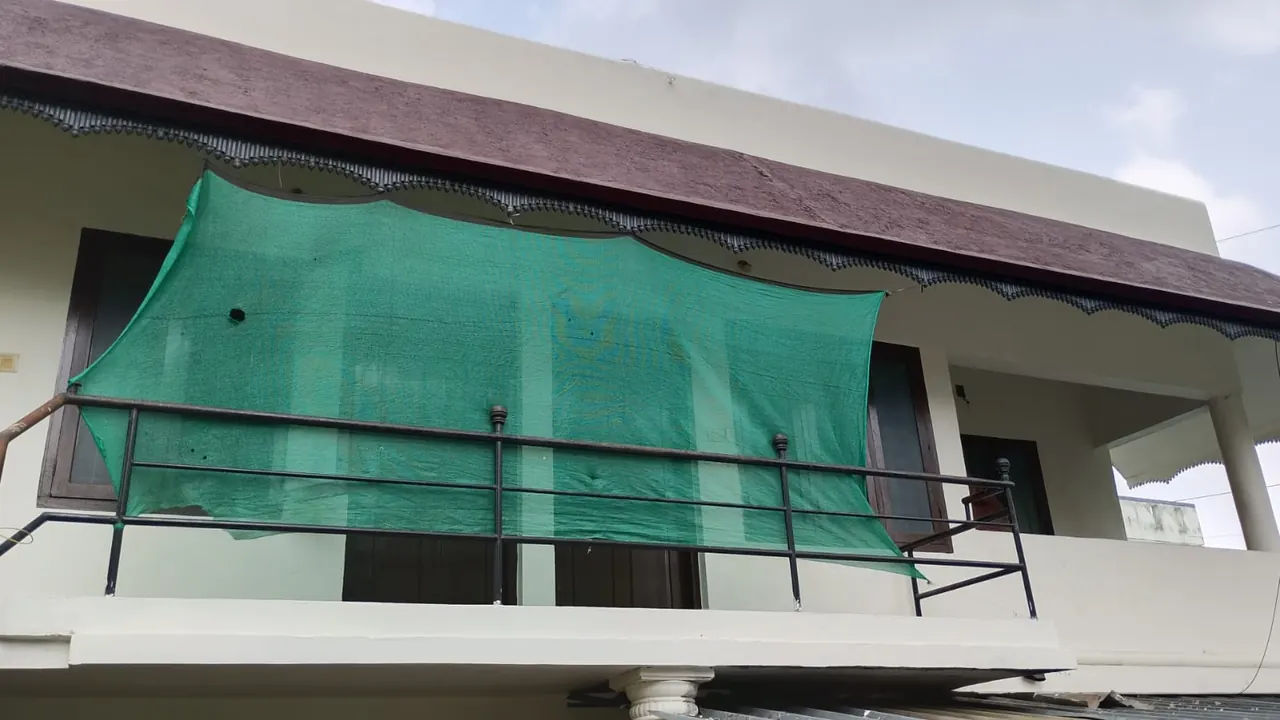
At Ashraf Gents Hostel — a men-only hostel and PG at Ashraf house, NAD Road, at the signal in Kalamassery — the photos show a balcony, a kitchen with a sink and shelves, and a tiled bathroom with a western toilet, along with twin-sharing rooms on red-oxide floors. Laundry service is not part of the published details, so ask on the call (+91 90746 23855) where residents dry clothes and whether a washing machine is available. The indicative rate is about ₹2,000–3,000 per head per month, negotiable, with one month’s advance, confirmed on the call.
Frequently asked questions
How do I dry clothes in a hostel during the Kerala monsoon?
Wash in the morning, wring hard, use a folding rack under a fan, and switch to quick-dry fabrics from June to November. A vinegar rinse helps clothes that smell after slow drying.
Where can I get clothes ironed in Kalamassery?
Most neighbourhoods have a small ironing shop that presses clothes by the piece. Ask the warden or residents for the nearest one and agree the price first.
Is laundry included at Ashraf Gents Hostel?
Laundry is not part of the hostel’s published details. Ask on the call about washing and drying arrangements.
How is waste collected in Kalamassery?
Segregated dry waste is collected door to door by Haritha Karma Sena groups under the local body, usually arranged by the building for a user fee.
Related guides
Sources
Facts about Ashraf Gents Hostel come from the hostel’s own profile and photos; rates are indicative and confirmed on the call. Last reviewed . How we write these guides: editorial notes. Map embeds © Google.