Key facts
- In Kerala a ‘mess’ usually means a small, often home-run kitchen that serves regular customers on a monthly or weekly arrangement rather than walk-in diners.
- Kudumbashree, Kerala’s women’s self-help network, runs low-cost Janakeeya Hotels and, in Thiruvananthapuram, a ‘Lunch Bell’ lunch-box delivery service ordered through the Pocketmart app.
- Under India’s food safety law, even small home-based food businesses such as tiffin providers are expected to hold at least a basic FSSAI registration.
- Monthly mess arrangements commonly leave out one day a week (often Sunday) or one meal, so check what the price actually covers.
- A one-week trial is the cheapest way to judge a mess’s taste, portions, punctuality and hygiene before committing a month’s money.

Why so many hostel men use a mess
Our budget eating playbook covers eating out meal by meal: tea shops, lunchtime ‘meals’ and thattukadas. This guide is about the other route — handing your food over to someone else for a whole month. For students around CUSAT and the Medical College, staff on fixed shifts near HMT, and new arrivals on NAD Road with no time to cook, a regular arrangement removes the daily ‘where do I eat?’ problem and usually makes food spending predictable.
The trade-off is flexibility. Once you have paid for a month, you eat what the mess cooks, at the times it serves. If your shifts change, you travel often or you are only staying a few weeks, pay-as-you-go may still work out better.
The five kinds of arrangement you will come across
| Type | How it usually works | Suits |
|---|---|---|
| Home mess | A family or a few women cook at home; you eat there or collect parcels at fixed times; paid monthly or weekly | Students and staff with regular hours |
| Hotel meal card | A local hotel offers a monthly or coupon rate for regulars, often for lunch only | Men who already eat lunch out every day |
| Tiffin delivery | Lunch (sometimes dinner) delivered in boxes to your room or workplace; containers collected later | Office and factory staff who cannot step out |
| Kudumbashree / Janakeeya outlets | Low-cost meals at a counter; mostly pay per meal rather than monthly | Anyone on a tight budget, where one is open |
| Canteens | College hostels, hospitals and larger workplaces may run subsidised canteens for students or staff | Those with access through their institution |
Arrangements are informal and change often. Kitchens open, close and change hands, so the best information is current word of mouth: ask your hostel owner, senior students, colleagues and the tea-shop regulars near HMT Junction or the NAD Road signal.
A note on Kudumbashree
Kudumbashree is Kerala’s state-backed network of women’s self-help groups, and food is one of its biggest activities. Besides the Janakeeya Hotels covered in our budget guide, it runs a lunch-box delivery service called Lunch Bell in Thiruvananthapuram, ordered through the Pocketmart app; a 2024 report put the vegetarian box at ₹60. That service was reported in the capital, not Kochi, so treat it as an example of how such schemes work and ask locally whether anything similar delivers around Kalamassery.
How to judge a mess before you pay for a month
- Ask for a trial. Pay for a few days or a week first. Many small messes agree if you ask politely. Eat at the busiest time to see the real portions.
- Check the kitchen, not just the plate. Is the cooking area clean, is drinking water boiled or filtered, are leftovers covered? If you are not allowed to see anything, take note.
- Pin down the timings. When does breakfast end, when is lunch ready, how late is dinner? A mess that closes at 8.30 pm is no use if you finish work at 9.
- Ask what is off. Many arrangements skip Sunday dinner or the whole of Sunday, and close for a few days at Onam or other festivals. Ask whether the price is reduced for those days.
- Veg, non-veg and extras. Find out which days have fish, egg or chicken, and whether that is included or charged separately.
- Absent days. If you go home for a week, is any money adjusted? Most small messes do not refund; some carry over days if told in advance.
- Parcels. If you work shifts, ask whether you can collect a parcel or whether someone can keep your share.
Food safety rules expect even small home-based tiffin providers to have at least a basic FSSAI registration. Many tiny messes are informal, so a missing certificate is not unusual — but a business that has one is showing it takes the rules seriously. If anyone in the hostel falls ill after a meal, stop and tell the cook straight away.
Typical structures and what to agree in advance
We do not publish mess prices, because they vary from kitchen to kitchen and change every year. What matters is comparing like with like. When someone quotes you a monthly figure, ask these questions and write the answers down in a WhatsApp message to the cook so both sides remember:
- Which meals are included: breakfast, lunch, dinner, or a combination?
- How many days a month — 30, 26, or ‘except Sundays’?
- Is it advance or end of month, and is UPI accepted?
- Rice refills, curry refills and non-veg days: included or extra?
- Notice period if you want to stop.
Then do the simple maths: divide the monthly charge by the number of meals you will actually eat. If you regularly miss dinner because of late shifts, a lunch-only arrangement plus a thattukada or tea-shop dinner may cost less than a full plan. Put the figure into our monthly expense calculator next to rent and travel to see the full picture.
Different needs near NAD Road, HMT, the Medical College and CUSAT
- Students at CUSAT, NUALS and colleges around South Kalamassery tend to want cheap, filling lunches and late dinners during exams. Ask seniors which arrangements students have used for more than one term. See colleges near Kalamassery.
- Hospital staff and bystanders near the Medical College often need food at odd hours; parcel-friendly messes and hospital canteens matter more than sit-down meals.
- Factory and warehouse workers in the industrial belt may have a works canteen; if not, a tiffin box delivered to the gate can save an expensive daily walk out. See workplaces near Kalamassery.
- Night-shift workers should look for a mess that will pack dinner early and breakfast late. Read living on night shifts.
Mixing a mess with your own cooking
A common and economical pattern is a lunch arrangement on working days, with simple cooking in the evening — rice and dal, egg curry, kanji — shared between two or three roommates. It keeps food varied and cuts the monthly bill without the full burden of cooking every meal. Our hostel kitchen shopping list covers what to buy first.
Food and kitchen at Ashraf Gents Hostel
Ashraf Gents Hostel is a men-only hostel/PG at Ashraf house, NAD Road, at the signal in Kalamassery, for students, staff and working men. Its photos show a kitchen with a sink and shelves. We do not claim that meals are included — ask on the call whether food is provided, whether residents may cook, and whether other residents can point you to a mess or tiffin service they already use.
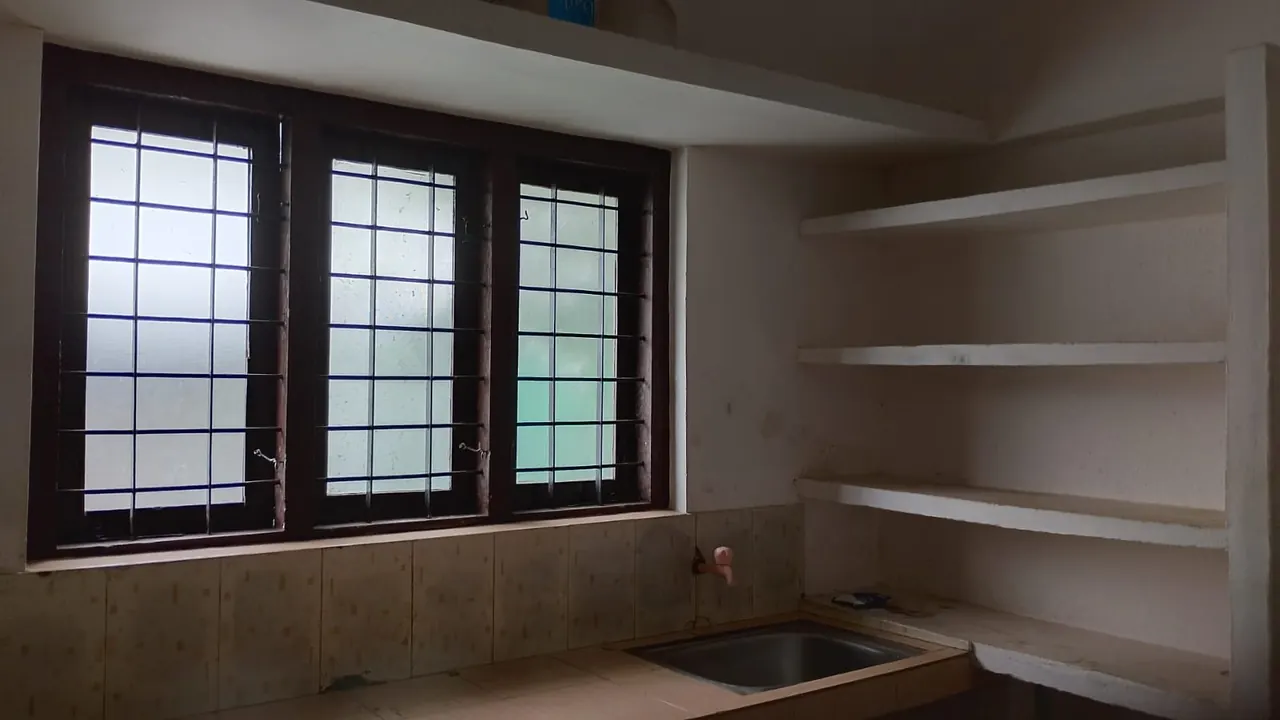
The indicative rate on the public profile is about ₹2,000–3,000 per head per month, negotiable, with one month’s advance, confirmed on +91 90746 23855. Short daily stays are also available for men, with the nightly rate quoted on the call — useful if you want to try the area and its food options before committing. See rooms and rates.
Frequently asked questions
What is a mess in Kerala?
Usually a small kitchen, often home-run, that feeds regular customers on a monthly or weekly arrangement. You either eat there or collect parcels at fixed times.
How much does a monthly mess cost near Kalamassery?
It varies by kitchen, meals included and days covered, so we do not quote a figure. Compare offers by working out the cost per meal you will actually eat.
Should I pay for a full month straight away?
Ask for a trial of a few days or a week first. Check taste, portions, timings and cleanliness before you commit a month’s money.
Are messes open on Sundays and festivals?
Many skip Sunday or one Sunday meal and close for a few days at Onam or other festivals. Ask in advance and agree whether the price reflects it.
Does Ashraf Gents Hostel provide meals?
We do not claim that meals are included. The photos show a kitchen with a sink and shelves; ask on the call whether food is provided and whether residents can cook.
Related guides
Sources
- Retail Insight Network: Kudumbashree’s Lunch Bell office food delivery in Kerala (2024)
- The Federal: Keralam’s Janakeeya Hotels are struggling to dish out hot meals at Rs 20
- Kanakkupillai: FSSAI registration in Kerala – who needs it
- Wikipedia: Kudumbashree
Facts about Ashraf Gents Hostel come from the hostel’s own profile and photos; rates are indicative and confirmed on the call. Last reviewed . How we write these guides: editorial notes. Map embeds © Google.